
Spotlight on Leadership - Alison Steel, Head of Research and Innovation, Sherwood Forest Hospitals NHS Foundation Trust
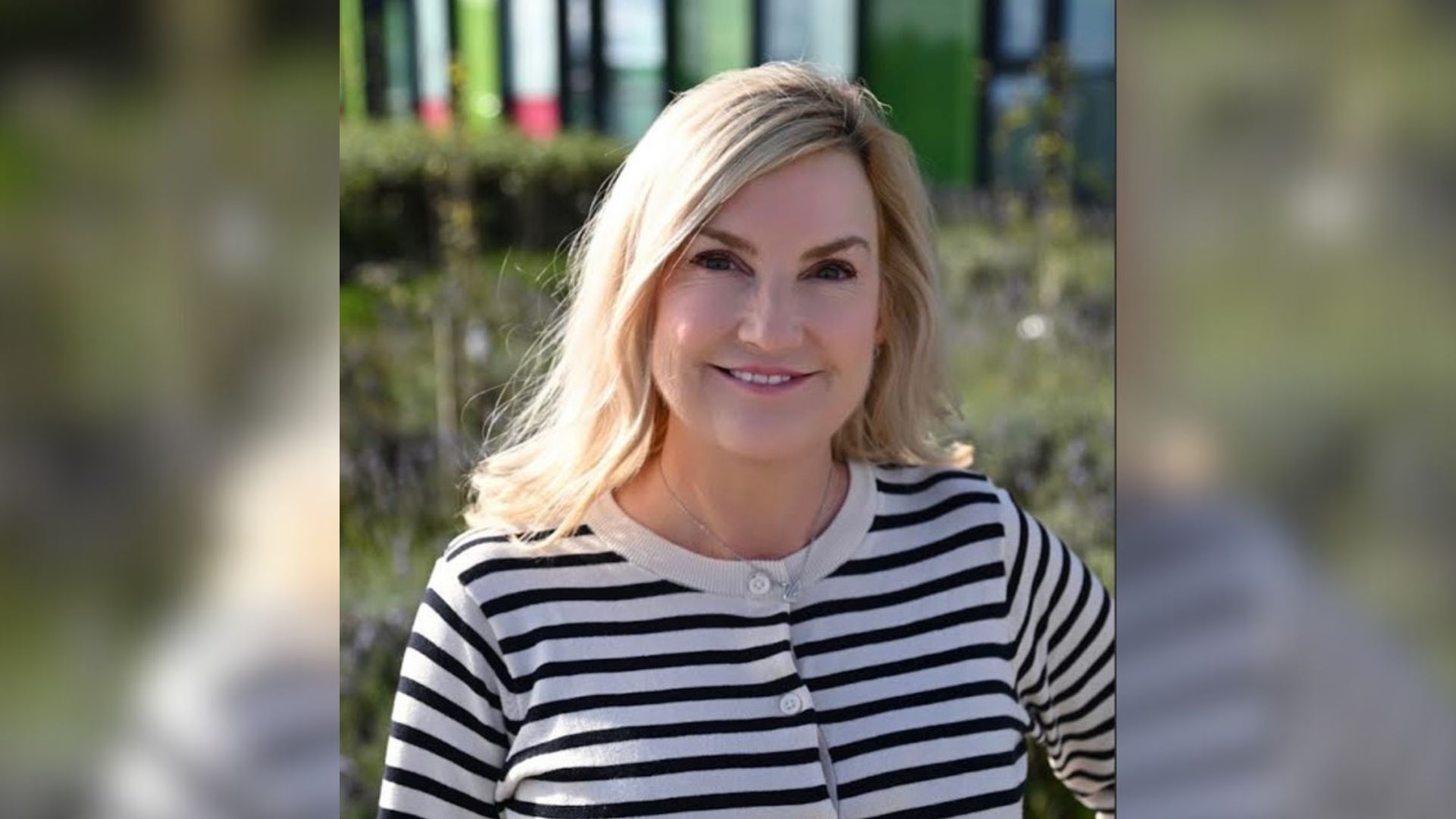
Alison Steel, a qualified nurse, has an in-depth understanding of Clinical Research from her role as a healthcare professional and an unexpected introduction into the Industry. Working for the NHS (UK), Alison provides an invaluable perspective as to the current challenges for Clinical Research and how innovation can be the key to making change happen for the better. A driver for change for the better, Alison maintains high standards are the key to success, but outlines how innovation can help deliver and maintain these standards to better meet the needs of the patient population.
How did you get into the clinical research and industry and what career path did you take?
Like many people, I ‘fell’ into clinical research. My career began when I trained as a nurse and initially, I started working on surgical wards. However, after 12 years, I chose to do an undergraduate degree, which led to a research secondment opportunity working with the ENT department and Reckitt Benckiser. I thoroughly enjoyed this role and learnt so much beyond my nursing background. It was my first introduction to delivering industry clinical trials and GCP and I was hooked. I knew then I wanted to pursue a career in healthcare research. This role was not permanent as is the case in many research roles so whilst looking for further opportunities I saw a role in R&D at my local NHS Trust, something I previously did not know existed as a job role. But this opened a new chapter for me and I started working in a dual role; delivering trials alongside Research Governance. This allowed me to work within an NHS Trust but on commercial trials across different specialities, combining the two parts of my career.
Following a hospital merger, I moved in to a full time research management and governance role at an acute Trust and then took up the role of Research Manager across Nottinghamshire in primary care. I was made redundant from this role which gave me the opportunity to set up my own research Governance Consultancy. I worked with Nottingham University Hospital on several projects and eventually took up a permanent role as R&I Performance Lead. Following five years in the R&I department there I moved to my current role as Head of Research and Innovation at Sherwood Forest Hospitals, NHS Foundation Trust, where I led the strategic development of R&I. I believe my background in nursing has given me valuable insight in to working with research delivery teams as I truly understand the challenges nurses and all frontline staff face, and let’s remember, clinical teams are a central component of delivering Clinical Research.
What do you think the top three challenges are for driving innovation in our industry in the next few years?
My immediate thought is workforce, which I is an obvious one. The NHS has been under incredible pressure for so long; from waiting list backlogs, pressure from competing demands and A&E waiting time. It is a stressful environment for staff to work in which in itself creates workforce challenges. Focusing on research and innovation specifically, can be very hard as we need well trained, well supported workforces in place to ensure we can deliver the much-needed research. We have worked hard to meet this challenge and are lucky to now have a large team of dedicated research staff who are expertly trained to deliver high quality research at scale and pace. This is one of the reasons we undertook the IAOCR accreditation Bronze level; so sponsor’s and the organisation have the assurance their research is in safe hands. I believe it can be more difficult for smaller hospitals where there is less resource available. However I don’t dismiss that it is also challenging for larger hospitals. Without being able to address the staff shortages directly, it’s hard.
Secondly, I think readiness is a very real challenge: to be able to adopt and spread innovation is a key part of our offering and its important for research sites to provide expert support and advice; there’s lots of good things being done in this space and its essential we can facilitate this great work. When it comes to translating these developments through the NHS as a whole, for example, it becomes a real challenge because the organisation and infrastructure is so big and complex. A process might have been done well as a pilot in one department/organisation but that doesn’t necessarily translate to another department/organisation. Scalability is a key consideration and factor within a pilot process because not everywhere has the same capacity to put the innovation in place.
Finally, I would suggest adoption and commercialisation: in the NHS there is so much variation across organisations. For example, with uptake of digital technology, take Electronic Patient Record (EPR) a huge game-changer for healthcare organisations but it takes time and investment to do this across every NHS Trust. Companies and small and medium enterprises (SME) can often find it difficult with to get their products or tech in to the NHS, which is frustrating but understandable given the available infrastructure and resources. There are many barriers to this, including processes/innovations, everything from the procurement process, through to implementation, onboarding and everything in between – navigating this can be very challenging.
What do you see as the first step in addressing these challenges?
The workforce challenge is not an easy fix. I can only speak from my perspective, so looking at large scale changes across the NHS, there is an overarching funding challenge. Fundamentally, there needs to be more funding in the NHS for issues like the lack of workforce, we need to be able to backfill the staff shortage that is already in place.
Regarding innovation, Health Innovation Networks are in place to support the spread of all types of innovation and provide bespoke support to aid their implementation. They are fantastic to have and facilitate the introduction of innovations within healthcare organisations. However, unfortunately I know from experience there can still be several challenges. Innovation is constantly evolving, which is great for development but to consistently apply the latest developments needs money, time, and resources. More often, once it’s been fully implemented an innovation is ready to overtake it. I’m not criticising these innovations, we need them, and they add so much value, but the harsh reality is it’s hard for organisations to keep on top of the developments.
Around the issue of services being so stretched, there are constantly competing demands. We can implement a better use of existing technology, to address the innovation/cost issues as I’ve already touched on but this takes time as well as effort and resource. At my organisation, Sherwood Forest NHS Trust, we recently launched an Improvement Faculty, where we actively bring together silos of teams to collaborate. This includes the Transformation Team, the Project Management Team, the Quality Improvement Team, and Research & Innovation team. In doing this, we identify a single point of contact for any point of improvement. Using monthly meetings, we collectively look at requests to see how can support staff with idea’s to make improvements in patient care and experience, working life of staff and to ensure the best use of resources. This is a simple approach that we have noticed has made a real change. We constantly need to evaluate, inwardly and outwardly to ensure we are operating as effectively and efficiently as possible, whilst maintaining high standards.
What other industry do you think healthcare could take inspiration from?
This is difficult. Within the NHS there is a lot of pressure to learn from other industries. I always think the aviation, car manufacturing and logistics Industries are hugely valuable to learn from because they are constantly evolving, improving and responding to the demands of the public. There are lots to learn from these, but the challenge is insights and learnings can often be mis-applied and simplified, and this is not necessarily translatable to the NHS. When you are working in the NHS day-to-day, at the ground level you realise it is not as simple as solely observing improvements and applying them. For change to affect the NHS or other organisations, the key is to understand the healthcare system better and invest considerable resource to make any changes.
What do you think the patient population would say about the Clinical Research Industry?
This has certainly changed in recent years. People used to use the term ‘guinea pig’ a lot, but this has changed notably because of some high-profile outcomes and the massive benefits trials have had; the COVID-19 vaccine being a key one. I still believe people don’t understand the industry as well as they could, and we need to help drive that behaviour shift. There is sometimes a view that working with the Pharmaceutical industry can be time consuming and complicated. Specifically, in trials there are often many visits to the research site which can be challenging for some patients. The thought of completing a lot of questionnaires can also be off-putting. However, there is increasingly more awareness and confidence in clinical trials now, which is important for the industry.
At Sherwood, we have taken part in the national Patient Experience Survey which has shown participants have confidence in the safety of clinical trials, with 98% saying they are more likely to participate in another trial once they have done one. However, it is also important to note that patients get frustrated because they don’t see outcomes, and this is something we need to address as an industry. Personally, over the years I’ve seen a lot of concern around data confidentiality. Since COVID there has been a shift with more patients comfortable having their patient records used by clinical teams to identify them, which is a real game-changer. This is because people really saw what research can achieve and saw the benefits of a trial being set up so quickly. They saw research as the future, the pandemic showed public and staff that research has a major impact from the initiation of a trial to treatment being implemented.
I also think we can continue to improve the public perception by growing our cultural competency, making sure that demographics are no longer underrepresented in research. A lot has been done to address this, but there is still more that can be done. At Sherwood Trust we really focus on that, ensuring equity of access to research. We use a devolved approach, where we can deliver the same trial in a hospital and primary care setting or even take the trial to the participants home or workplace using a mobile unit. This is important because treatments need to be delivered in communities. Now we are seeing more person-centred trials post-COVID, but we do need to continue to make the effort to take the trials to people.
What steps and processes do you think could be introduced to attract people into Clinical Research and retain them, the challenge commonly known as the Industry’s ‘talent crisis?
Clinical Research remains a niche career; I “fell” into the industry after 12 years as a ward nurse in the NHS and I know many others who did too. I think we need to showcase earlier in peoples’ training and careers what clinical research has to offer. We need more graduate programmes; we need to engage the nursing, Midwifery and Allied Health Professions to get clinical research on their radar. We need to increase understanding and exposure. At Sherwood we attend a lot of careers fairs, we have engaging induction tools and videos to ensure staff fully understand the options to get involved in research, whatever their role. The NHS can support the Clinical Research Industry by giving people the opportunity to work closely with academics for example. There are so many options, and directions you can take in progressing a career in clinical research and we need to ensure more people are aware of these. Utilising the national apprenticeship scheme would be a great way to take the first steps in to working in clinical research.
What advice would you give to someone starting out in their clinical research career?
From the outset, when someone is in their first post in Clinical Research, we need to ensure individuals are gaining as much exposure to the many different aspects of the discipline as possible. We need to ensure there is flexibility and freedom in our industry so people can engage, be forward thinking and innovative. We are a collaborative industry and want to hear everyone’s ideas. Seizing every opportunity offered can make the difference, staff respond very well to it, and we need people who are forward-thinking. I also think there needs to be a desire to influence the future of care, this is what our business is all about. My top tip would be to take every opportunity you can and decide where you want to go in your career from there.
How important do you think competence verification is for healthcare, and clinical research specifically? How important is it to demonstrate that an organisation is working to best practice standards?
It is imperative that people understand we work in a highly regulated industry and need to constantly strive to work to the highest standards. Having guides on how we work to implement these standards can really help patients feel reassured, and ensure a safe and efficient journey through the agreed clinical research pathway. It is important that staff are engaged with the ethos and principles underpinning these to aid successful delivery. When we underwent the GCSA Accreditation, we found that staff were cautious at first, but really enjoyed the process. Everyone worked together and opened up; it provided a forum for team members to say how they really feel about things, and they felt safe and comfortable in the process which is essential. I believe we came out with a much stronger team, alongside our independent certification.
Certification is also important to demonstrate to Industry sponsors that they can come to a certified site, place their research, and be reassured this will be delivered on time and on target, producing and ensuring high quality data which fully meets their requirements and expectations. For a smaller NHS organisation like ours, it is very important we can demonstrate our strengths. We may not have a Biomedical Research Unit or an NIHR Clinical Facility at this time but needs are changing. Industry is looking for different sites, such as Astra Zeneca’s Cambria study, we were the last site to onboard, but we were the first ready to open and deliver. This is because we have robust systems and processes in place, and we can evidence this through our certification.
What would you like your lasting legacy to the Clinical Research Industry to be?
I’m striving for my short-term legacy to be the opening of the SFH Clinical Research Facility Sherwood in 2025. From a long-term perspective, I want to know that clinical research has been properly embedded into the NHS as a treatment arm. Many Trust’s might have an R&D department but it isn’t truly integrated within the Trust as a whole. I think to change this, we need to be less restricted, we need to consider Clinical Research in the NHS as normal, and the integration will build from that. This is a powerful because it will lead to improvement in patient care and patients will be able to see the benefits in having their care as part of a clinical trial.
What do you think an organisation like yours (a smaller, NHS organisation) can offer to the future of Clinical Research?
At Sherwood Forest Hospitals NHS Foundation Trust we offer a responsive set up process, so studies can be ready to receive the greenlight as soon as the Sponsor is ready. Our team communicate well with each other and ensure everyone is clear about their role and the requirements in this process, open communication channels and documentation are key to how we work. We also have a highly trained (GCSA Accredited) team who are flexible. Any of our team can respond quickly to support other team members or provide cross cover for trials in different specialities. Being a slightly smaller site also helps with communication organisation-wide. This also assists me as a leader to influence and gain support at a strategic level. Including and delivering positive change that has impact. Freedom to act is also key, it allows us to problem solve, be creative and innovative as a team; for example our ability to deliver a study across our Mid Nottinghamshire System. As a team we enjoy what we do and are committed to improving the lives of people in our communities through clinical trial engagement and delivery. Being given the opportunity to demonstrate this to more industry Sponsor’s is exciting and the next step on our journey.