Argentina’s Clinical Research Transformation: Record Growth, Regulatory Modernization, and New Opportunities for Latin American Research Sites
How Argentina’s USD 8 Billion Investment Ambition Could Help Shape the Future of Clinical Research Across Latin America?
Author:
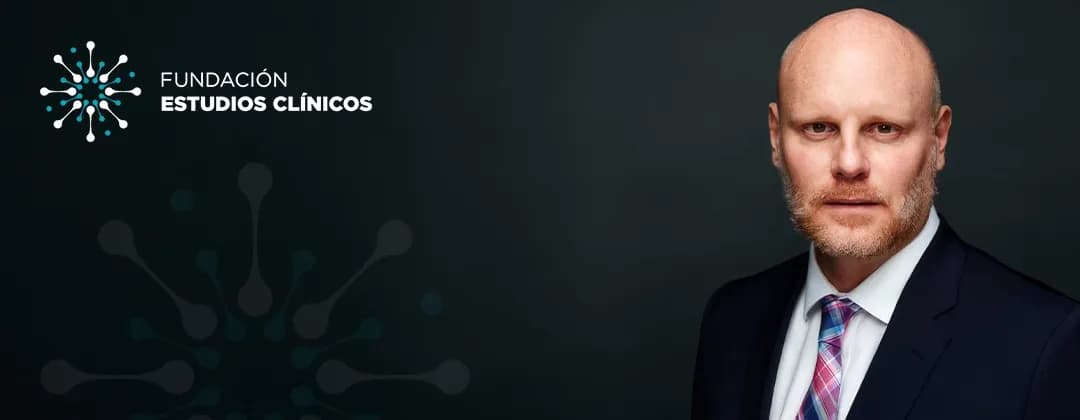
Guillermo E. A. Ortiz, BBA
President & Founder, Fundación Estudios Clínicos
SCRS LATAM Ambassador | SCRS LATAM Summit Chairman
A TURNING POINT FOR CLINICAL RESEARCH IN ARGENTINA
Latin America has long offered significant opportunities for global clinical research. With diverse patient populations, highly qualified medical professionals, experienced investigators, and established research institutions, the region has many of the essential ingredients to become an increasingly important contributor to international drug development.
Today, Argentina is demonstrating how these advantages, combined with regulatory modernization, strategic investment, and stronger international collaboration, can translate into measurable growth.
After more than a decade working to develop and strengthen clinical research capabilities in Argentina, I believe we are witnessing one of the most promising periods for our industry.
RECORD CLINICAL TRIAL ACTIVITY
In October 2026, Argentina’s National Administration of Drugs, Foods and Medical Devices (ANMAT) announced a historic milestone. Between January and September 2026, the agency approved 291 clinical pharmacology studies, representing a 36% increase compared with the same period in 2025. The first nine months of 2026 had already surpassed the 290 approvals recorded throughout 2025.
This growth matters beyond the pharmaceutical industry. Clinical trials create highly qualified employment, strengthen healthcare infrastructure, provide professional development opportunities, and offer patients access to innovative therapies through carefully regulated research programs.
Argentina benefits from a nationwide network of healthcare institutions involved in clinical research, creating a foundation for further expansion. The recent figures suggest that the country’s potential is increasingly translating into tangible results.
AN USD 8 BILLION INVESTMENT AGENDA
In May 2026, the Argentine government and the Argentine Chamber of Pharmaceutical Specialties (CAEMe) presented an initiative involving USD 8 billion in clinical research investment over the next six years.
The agenda is intended to expand research activity, strengthen scientific capabilities, and create highly qualified jobs. It is a forward-looking investment ambition - not a claim that this funding has already been fully deployed.
Its ultimate impact will depend on implementation, sustained regulatory predictability, and the readiness of research institutions to meet increasing international demand. For research sites, the opportunity comes with a responsibility to deliver quality, efficiency, reliable recruitment, and operational excellence.
REGULATORY MODERNIZATION AND INTERNATIONAL CONFIDENCE
Regulatory efficiency and predictability are crucial when global pharmaceutical companies decide where to conduct trials. Argentina has been working to modernize its regulatory framework and strengthen alignment with international standards.
Sponsors and CROs assess not only patient availability and investigator experience but also the reliability of approval processes, the quality of oversight, and the predictability of study startup.
Modernization should never mean lowering standards. Its purpose should be to combine efficiency with strong safeguards for patient safety, ethical conduct, and scientific integrity. Achieving this balance is fundamental to long-term competitiveness.
RESEARCH SITES: THE FOUNDATION OF SUSTAINABLE GROWTH
Government initiatives and pharmaceutical investment are important, but sustainable growth depends on the professionals and institutions conducting research every day.
Research sites identify eligible participants, obtain informed consent, ensure protocol compliance, maintain reliable data, and protect the rights and well-being of participants. As studies become more complex, sites must invest in multidisciplinary teams, specialized infrastructure, quality management systems, technology, and continuous professional development.
At Fundación Estudios Clínicos, we have seen firsthand how long-term investment in these capabilities can open doors to increasingly complex international research programs.
The goal, however, is larger than any single institution. Argentina and Latin America need a stronger site ecosystem, including established and emerging sites, collaboration between public and private institutions, and sustainable operating models that never compromise quality.
THE VALUE OF INDEPENDENT QUALITY RECOGNITION
As global clinical research becomes more competitive, sponsors need credible ways to identify research sites that can deliver consistent performance.
Independent quality assessment, professional development, and internationally recognized standards can make an important contribution. Initiatives such as the GCSA Global Quality Standard and Certification for Clinical Research Sites, awarded by the International Accrediting Organization for Clinical Research (IAOCR), can help institutions demonstrate a commitment to quality, operational maturity, and continuous improvement.
External assessment should not be viewed simply as a credential. It can help leaders evaluate internal processes, identify improvements, strengthen organizational culture, and demonstrate readiness to international partners.
For Latin American sites, these efforts can also support international visibility and credibility.
INTERNATIONAL COLLABORATION AND LATIN AMERICA’S VISIBILITY
One encouraging development has been the growing international recognition of Latin America’s clinical research capabilities.
The Society for Clinical Research Sites (SCRS) has helped create opportunities for site leaders to connect with sponsors, CROs, and colleagues worldwide. Through the SCRS Ambassador Program and regional initiatives, Latin American sites have gained additional opportunities to join international discussions about sustainability, operational challenges, and collaboration.
The 2025 LATAM Symposium in Buenos Aires was an important milestone, creating connections and offering a platform to highlight regional experience and capabilities.
The recent rise in clinical trial approvals cannot be attributed to any single initiative. Nevertheless, greater international visibility and stronger industry relationships are essential to building a sustainable research ecosystem.
Our next challenge is to translate recognition into long-term partnerships and more opportunities for institutions across the region.
FROM PARTICIPATION TO LEADERSHIP
Argentina’s progress is part of a broader opportunity for Latin America, including more complex therapeutic areas, innovative technologies, and early-phase research.
Realizing this potential will require coordinated effort. Governments must strengthen regulatory frameworks and predictability. Sponsors and CROs should build meaningful, sustainable partnerships with regional institutions. Research sites must keep investing in people, infrastructure, and quality. Industry organizations should continue supporting education and international engagement.
Above all, patients must remain at the center of every decision. Clinical research is about improving lives through safer and more effective treatments. Economic investment, regulatory progress, and international recognition matter because they can help advance that mission.
LOOKING AHEAD TO BUENOS AIRES
On November 16–17, 2026, Buenos Aires will host the SCRS Latin American Site Solutions Summit, bringing together research sites, sponsors, CROs, and industry partners.
As an SCRS LATAM Ambassador and Chairman of this year’s Summit, I look forward to conversations that will help shape the future of clinical research across the region. It is an opportunity to share practical experiences, strengthen partnerships, and explore how Latin American sites can contribute more to global clinical development.
I warmly invite colleagues from across the international research community to join us.
Latin America is ready to contribute more. The opportunity now is to turn this momentum into sustainable, high-quality clinical research growth.
SCRS LATAM Summit: https://sitesolutionssummit.com/event/latam/
ABOUT THE AUTHOR
Guillermo E. A. Ortiz, BBA, is President and Founder of Fundación Estudios Clínicos in Rosario, Argentina. He is an SCRS LATAM Ambassador and Chairman of the 2026 SCRS Latin American Site Solutions Summit. His work focuses on site sustainability, research quality, and collaboration between Latin American research institutions and the international clinical research industry.
REFERENCES
https://sitesolutionssummit.com/event/latam/
THIS ARTICLE IS ALSO AVAILABLE IN SPANISH AND PORTUGUESE. Please click on the relevant links below: